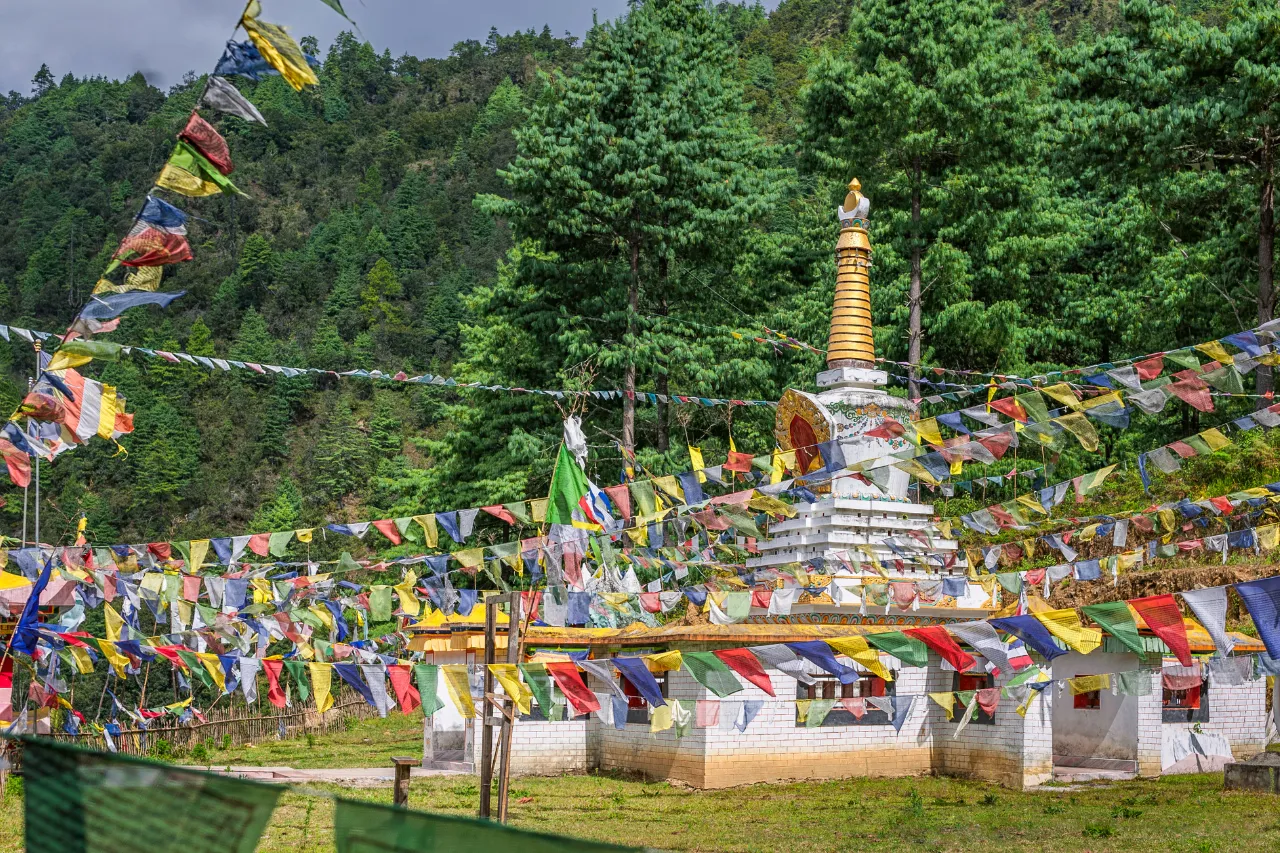
The Mother’s Land: A Devotional Journey to Devadaha and Tilaurakot
To understand the Buddha, we are often told to begin at his birth in Lumbini or his awakening at Bodh Gaya. Yet the Buddha’s maternal heritage at Devadaha tells a tenderer story—one of a mother’s love, a family’s devotion, and the women whose grace surrounded the future Enlightened One. Devadaha was the home of Queen Mayadevi; Tilaurakot was the palace where her son grew into Prince Siddhartha. To walk these grounds is to bow before the human family that nurtured a Buddha.
This is a pilgrimage of the heart. Here, far from the busier shrines, devotees find space for quiet reflection on impermanence, gratitude, and the bonds of kinship that even an Enlightened One honored.
Devadaha: Where the Buddha’s Mother Was Born
Devadaha, the ancient capital of the Koliya kingdom, was the maternal hometown of three revered women — Queen Mayadevi, her sister Mahaprajapati Gautami who raised the Buddha after his mother’s passing, and Princess Yashodhara, his consort. Tradition tells us that Queen Mayadevi was journeying toward Devadaha, her parental home, to give birth when her labor began at Lumbini along the way.
The very name Devadaha means ‘pond of the gods,’ for it is believed the divine and the holy once bathed in its sacred waters—and that the young Siddhartha himself bathed here during visits. Standing beside this pond, pilgrims feel the gentle presence of the mother line that gave the world its great teacher. Plan a reflective visit with the trusted pilgrimage team at Prime Value Tours.
Tilaurakot: The Palace the Prince Left Behind
If Devadaha holds the warmth of birth and family, Tilaurakot holds the ache of renunciation. Identified as ancient Kapilavastu, this fortified Shakya city is where Siddhartha spent his first 29 years amid royal comfort. Its excavated gates, walls, and palace foundations are quietly powerful: somewhere through one of these gates, a young prince rode out into the night, leaving wealth and family in search of an answer to human suffering.
For devotees, Tilaurakot invites contemplation of letting go—of how love and attachment, even in their purest forms, point us toward the path of liberation. Read more reflective pilgrimage writing and circuit guidance from the Buddhist pilgrimage experts at Prime Value Tours.
Honouring the Women of the Buddha’s Life
This circuit is, in a special way, a tribute to the feminine in the Buddha’s story. Mayadevi gave him life. Mahaprajapati Gautami gave him a mother’s care and later became the first ordained Buddhist nun. Yashodhara walked her own path of renunciation. To honor Devadaha and Tilaurakot is to honor them—a meaningful devotion for pilgrims of every tradition.
Frequently Asked Questions
Who lived in Devadaha?
Devadaha was the maternal home of Queen Mayadevi, the Buddha’s mother, along with his stepmother Mahaprajapati Gautami and his wife Yashodhara—all daughters of the Koliya clan.
What makes Tilaurakot spiritually significant?
Tilaurakot is identified as Kapilavastu, the palace city where Siddhartha lived for 29 years before renouncing royal life. It is a powerful place to reflect on attachment and the courage of the spiritual path.
Is this a good pilgrimage for quiet reflection?
Yes. Because both sites are far less crowded than Lumbini, they offer rare space for chanting, meditation, and contemplation, making them ideal for devotees seeking a peaceful spiritual experience.
Begin Your Yatra
Let your pilgrimage honor the roots that nurtured a Buddha. Plan your sacred yatra with Prime Value Tours—a government of India-approved operator devoted to meaningful Buddhist journeys. Their experienced team arranges every step so your heart stays free for prayer and reflection. Discover the full maternal-heritage pilgrimage circuit and walk the mother’s land with reverence.