The History of Buddhism in India: A Devotional Journey from Awakening to Pilgrimage
To understand the history of Buddhism in India is to follow a current of compassion that has flowed unbroken for more than two thousand years. It is not merely a sequence of dates and dynasties — it is the story of how one being’s awakening became a path of refuge for countless hearts. For the devotee, knowing this story turns travel into yatra, and sightseeing into worship. Let us walk that sacred arc together, from the silence beneath the Bodhi tree to the merit-making pilgrimage the faithful still undertake today.
The Night of Awakening
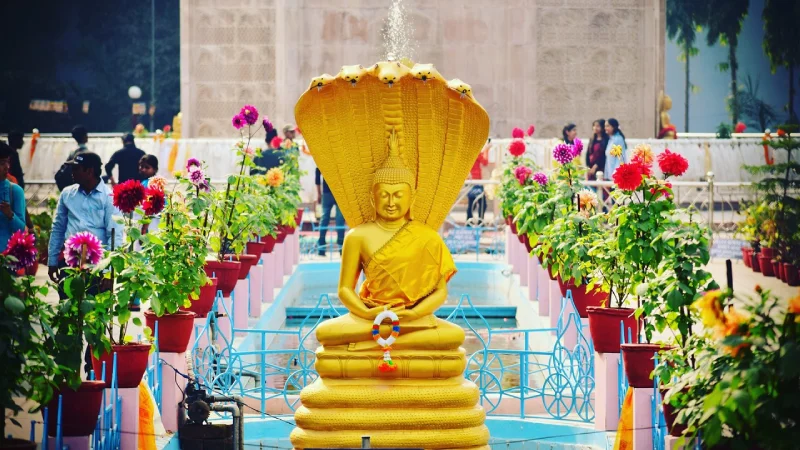
Long ago, a prince named Siddhartha left palace and family behind, moved by the suffering he saw in the world. He sought truth through hardship, then through the Middle Way, until at last he sat beneath a peepal tree at Bodh Gaya and vowed not to rise until he had seen reality clearly. Through that long night he passed through deepening stillness, and at dawn he awakened fully. He became the Buddha. For the pilgrim who kneels at the Mahabodhi Temple today, that dawn feels close enough to touch.
The Turning of the Wheel at Sarnath
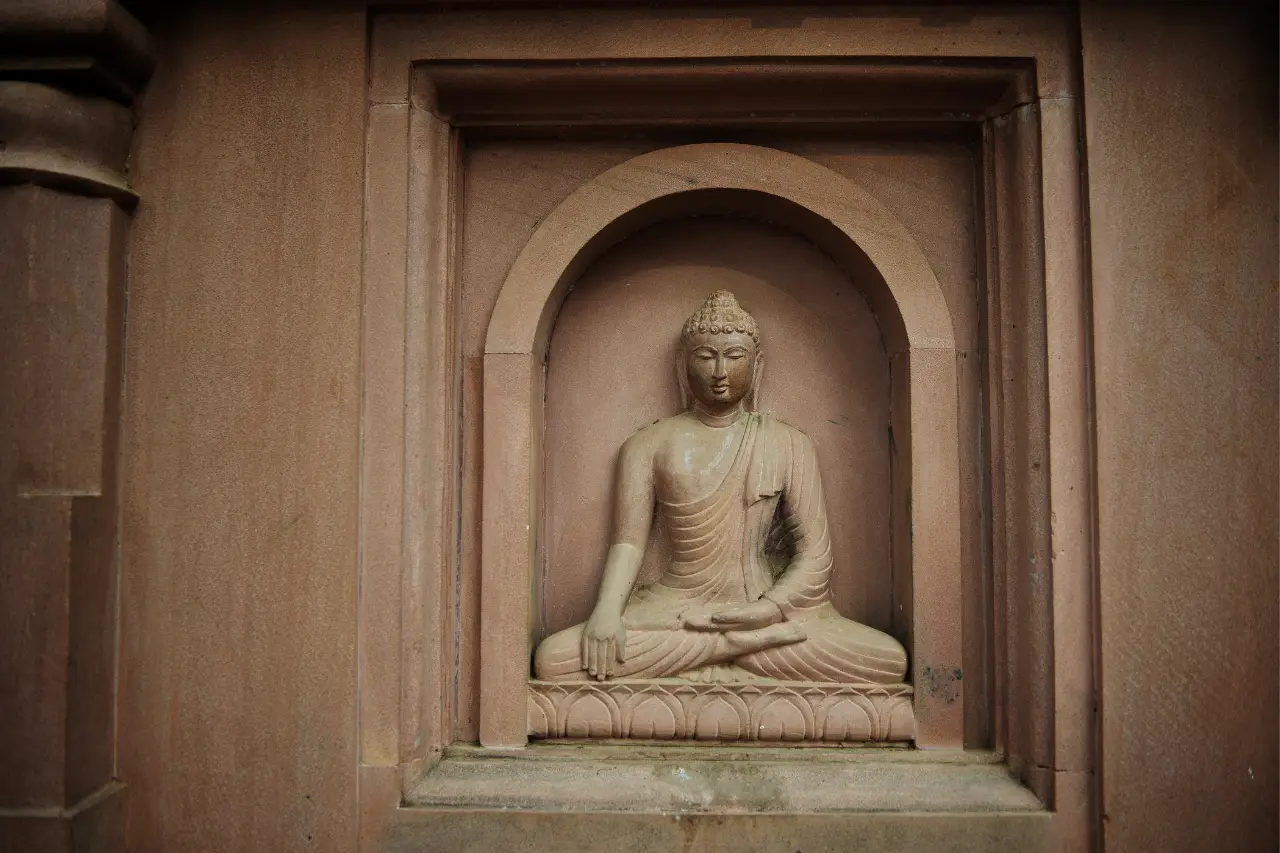
Out of compassion, the Buddha chose to teach. At the deer park in Sarnath he gathered his first five disciples and spoke of suffering, its cause, its ending, and the path that leads there. This moment — the first turning of the Wheel of Dharma — gave the world the Four Noble Truths. Devotees who circumambulate the Dhamek Stupa at Sarnath often describe a quiet joy, as if standing where the teaching first entered the world.
A Faith That Crossed Mountains and Seas
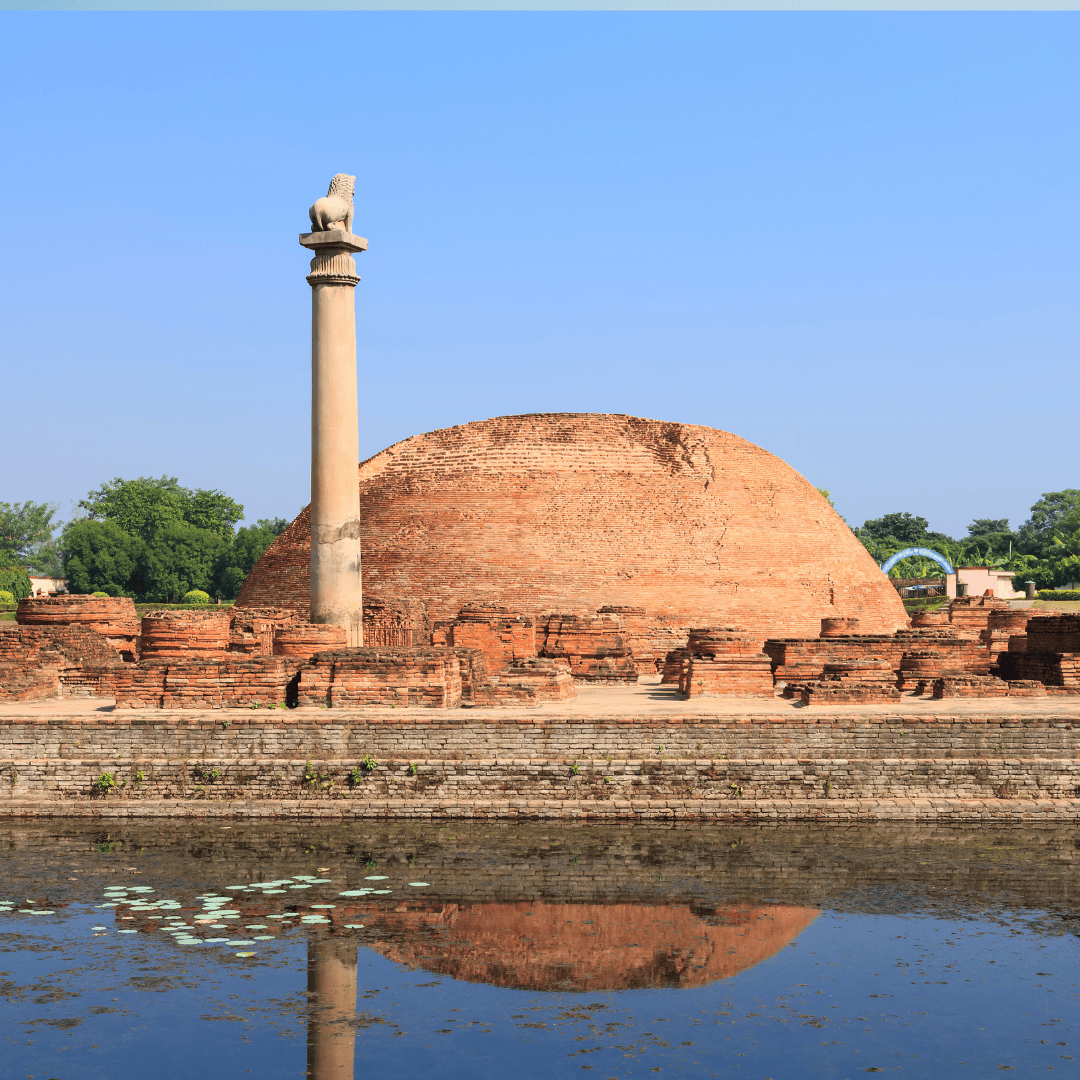
In the centuries that followed, the Dharma spread far beyond Bihar. The Emperor Ashoka, transformed by remorse after war, devoted his reign to non-violence and sent the teaching across India and beyond its shores. Monasteries rose, pilgrims walked, and the gentle message of the Buddha reached lands that would carry it for millennia. The devotion practised across Asia today is, in a real sense, a flame lit from this Indian source.
Loss, Memory, and Return
History is never without sorrow. Over the medieval centuries, Buddhism faded across much of the land of its birth, and the great monasteries fell silent. Yet the sacred places endured in the earth and in memory. In more recent times they were lovingly rediscovered and restored, and the pilgrims returned. There is something deeply moving in this return — a faith coming home to the soil that first received it. The Archaeological Survey of India has helped preserve many of these holy grounds for the faithful.
Walking the Path of Merit Today
For the modern devotee, pilgrimage is an act of merit and inner cleansing. To bow at the place of enlightenment, to offer a lamp at Sarnath, to sit in silence at Kushinagar where the Buddha entered final peace — these are not tourist stops but spiritual offerings. The traditional sites of devotion include:
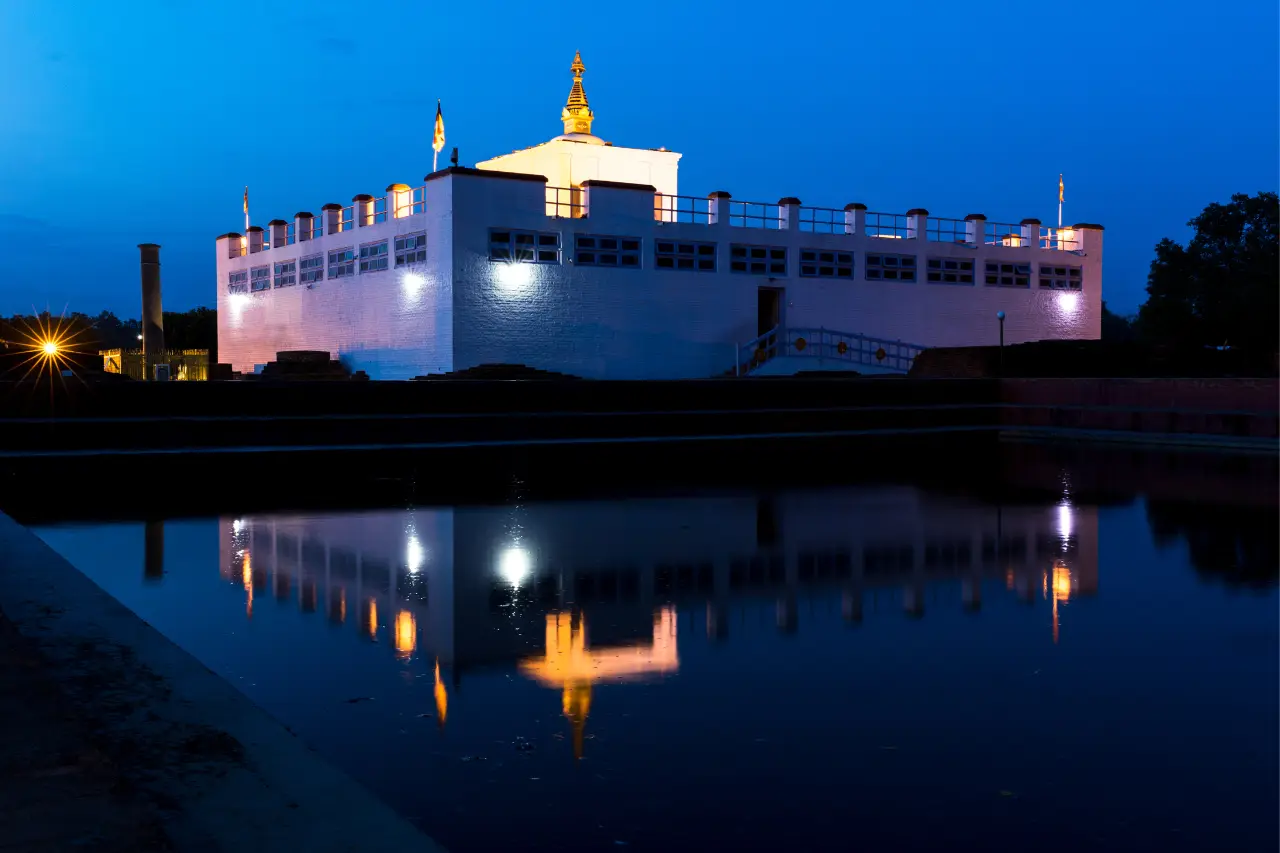
- Lumbini — the birthplace, where the journey of a Buddha began
- Bodh Gaya — the seat of enlightenment and the soul of every yatra
- Sarnath — where compassion became teaching
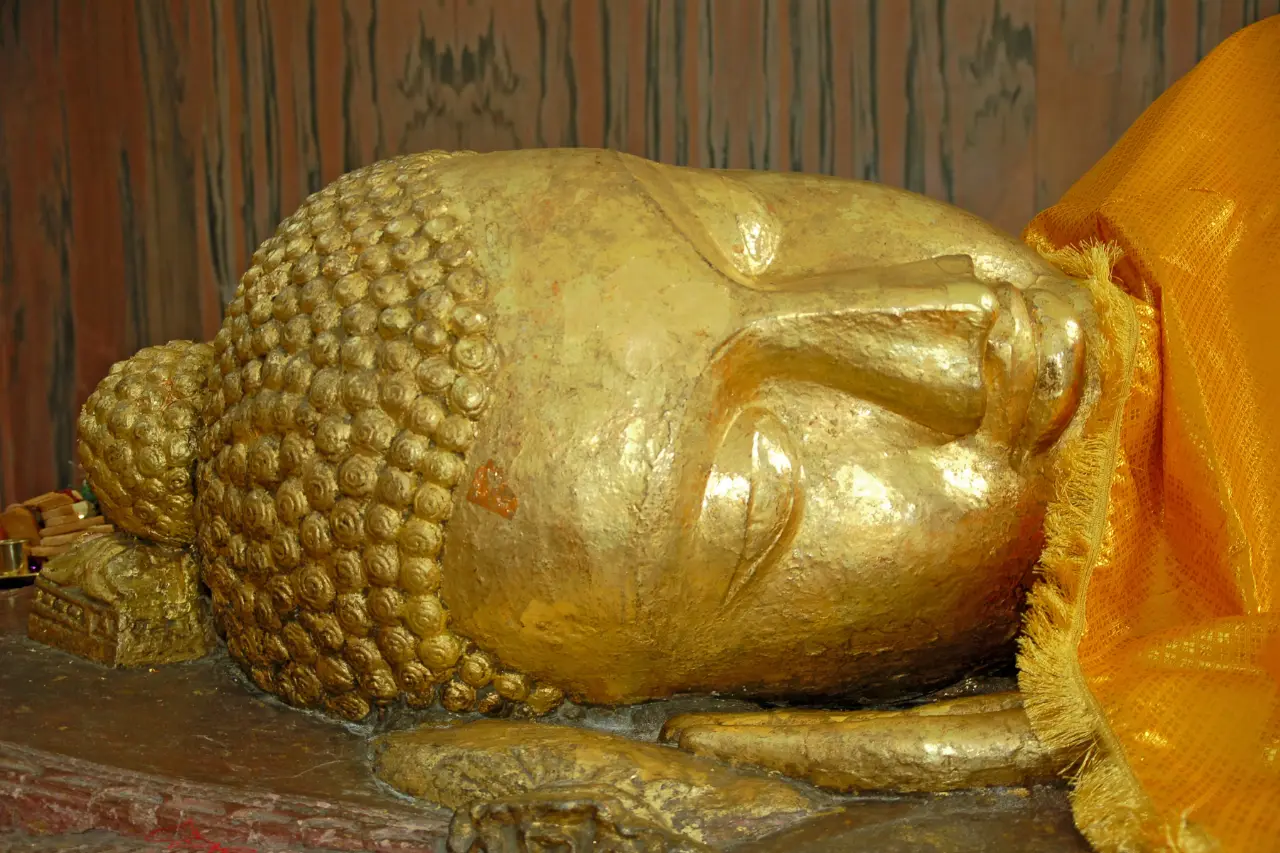
- Kushinagar — the place of serene final passing
To undertake this journey with care and reverence, many devotees plan their yatra with Prime Value Tours, whose guides understand both the logistics and the sacred meaning of each site.
Frequently Asked Questions
What does pilgrimage mean in Buddhism?
Pilgrimage is an act of devotion and merit-making — visiting the holy places of the Buddha’s life to deepen faith, purify the mind, and honour the teaching. It is considered spiritually beneficial by Buddhists across all traditions.
Which site is most sacred for devotees?
Bodh Gaya, the place of the Buddha’s enlightenment, is regarded as the most sacred. It is the spiritual centre of every pilgrimage and the destination devotees most long to reach.
Can families undertake the pilgrimage together?
Yes. Devotees of all ages travel the circuit. A well-organised yatra arranges comfortable pacing and care so that families, including elders, can complete the journey peacefully.
How do I begin planning a devotional yatra to India?
The simplest way is to consult an experienced operator who can handle travel, accommodation, and on-site rituals — allowing you to focus entirely on devotion. Prime Value Tours specialises in exactly this.
Plan Your Sacred Yatra
The history of Buddhism in India lives on in every pilgrim who bows at these holy grounds. If your heart calls you to walk this path of awakening and merit, plan your yatra with Prime Value Tours, or explore their Buddhist pilgrimage journeys crafted with devotion and decades of experience. May your journey bring peace.