
The Importance of a Guided Buddhist Yatra Through India’s Holy Land
Why deep spiritual intention, monastic understanding, and cultural attunement transform a tourist visit into a sacred pilgrimage across the Attha Maha Thana.
There is an irreconcilable difference between visiting Bodh Gaya and arriving there on a yatra. A tourist checks a destination off a bucket list, snaps a photo of the Mahabodhi Temple, and moves on to the next point of interest. A pilgrim walks the final steps toward the sacred Bodhi Tree carrying weeks, months, or even years of intentional spiritual preparation.
That intention deserves more than a standard tour guide who merely knows opening hours and bus schedules. It demands a guide who deeply understands what it means to stand on the precise spot where Siddhartha Gautama became the Buddha. The land of India carries immense spiritual weight, but it carries no physical signage explaining its profound inner significance. That understanding must be held and communicated by the companion walking beside you, shaping how deeply the entire journey penetrates the heart.
Walking the Sacred Ground of the Attha Maha Thana
Every location along the traditional Attha Maha Thana (the Eight Great Holy Places) marks a transformative chapter in the Buddha’s life. On a generic travel itinerary, these locations risk being reduced to dusty ruins and brick mounds. On a genuine devotional yatra, they are transformed into living classrooms of Dharma.
Walking this earth with a guide who can contextually anchor each teaching into the exact physical landscape where it was first spoken changes everything. Geography dissolves into living memory.
| Sacred Site | Spiritual Milestone | Core Devotional Practice |
| Bodh Gaya | The Supreme Enlightenment beneath the Bodhi Tree | Extended sitting meditation, offering butter lamps, circumambulation (Pradaksina) |
| Sarnath | The Turning of the Wheel of Dharma (Dhammacakkappavattana Sutta) | Chanting the First Sermon, quiet contemplation at the Dhamek Stupa |
| Rajgir | Teaching on Vulture’s Peak (Gidhrakuta) & early rain retreats | Reciting Mahayana and Theravada sutras, walking the ancient meditative pathway |
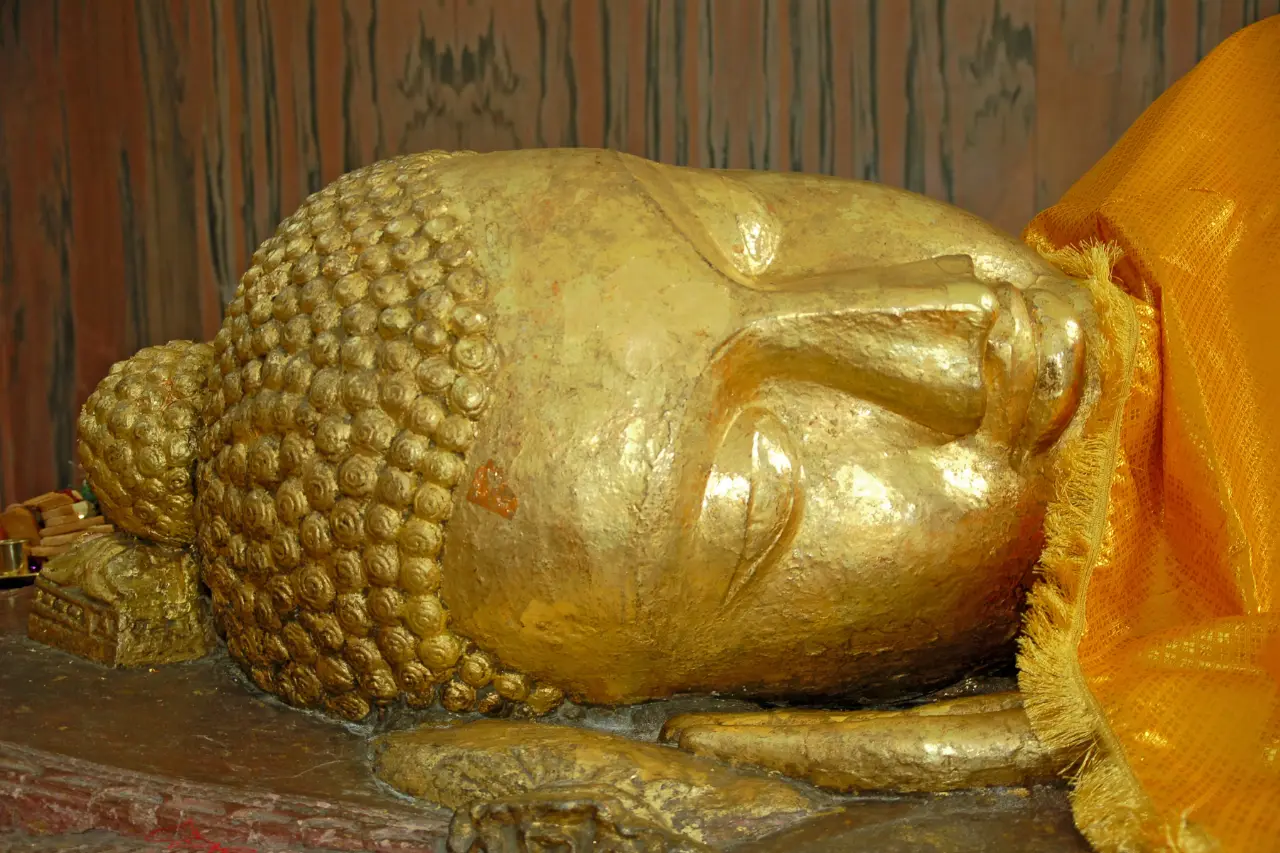
| Kushinagar | The Parinirvana (the final passing into total liberation) | Offering robes at the Reclining Buddha, chanting on impermanence (Anicca) |
| Sravasti | The Twin Miracles & 24 rain retreats at Jetavana Monastery | Walking through Anathapindika’s monastery, chanting under the Ananda Bodhi Tree |
| Vaishali | Ordination of Mahapajapati Gotami & the last sermon | Reflection on the establishment of the Bhikkhuni Sangha and final teachings |
| Sankassa | Descent from Tavatimsa Heaven after teaching His mother | Contemplation of filial piety and deep gratitude toward parents |
| Nalanda | Ancient seat of monastic education and Buddhist philosophy | Recollection of great commentators (Nagarjuna, Asanga) and Dharma study |
The Spiritual Mechanics of Punya and Presence
For Thai Buddhists, the concept of Punya (merit earned through right action, devotion, and generosity) sits at the heart of pilgrimage. However, true merit-making requires genuine mental presence rather than mere physical proximity. Sitting near a holy site while mentally calculating the remaining drive time to the next hotel generates little spiritual fruit.
A guide rooted in Thai devotional tradition understands how to cultivate this presence. They create the temporal space needed for meaningful practice:
- Lighting Butter Lamps with Intention: Rather than rushing a group through the Mahabodhi precinct, an experienced guide coordinates quiet corners for lighting lamps, explaining the symbolic burning away of ignorance (Avijja).
- Chanting in Context: Reciting the Dhammacakkappavattana Sutta at Sarnath or the Ratana Sutta at Vaishali takes on exponential depth when the group understands the exact historical urgency behind those chants.
- Offering Robes (Sivara): Facilitating respectful robe-offering ceremonies at the Reclining Buddha in Kushinagar with full monastic decorum and solemnity.
Without an operator who honors these practices, a pilgrimage group can stand inches away from the world’s most sacred Buddhist relics and still be hurried along like crowded tour groups on a tight timeline.
| ANATOMY OF A DEVOTIONAL YATRA vs. SIGHTSEEING TOUR Standard Tour Rhythm: Early Rush ➔ Brief Photo Stop ➔ Commercial Shopping ➔ Rigid Dining ➔ Exhausted Hotel Arrival Devotional Yatra Rhythm: |
The Operational Framework of Sacred Travel
The structural difference between a standard vacation package and a devotional yatra lies in how time, space, and energy are managed. A true pilgrimage honors a contemplative rhythm through meticulous operational planning:
- Pacing and Dwelling Time: Standard tours assign fixed 30-minute slots per site to maximize coverage. A yatra leaves wide windows open at Bodh Gaya or Jetavana for extended, uninterrupted sitting meditation (Samatha-Vipassana).
- Daily Rhythm: Days begin with collective morning puja and meditation before leaving the hotel, establishing a calm, clear mind for the journey ahead.
- Monastic Protocol: A devotional itinerary respects the midday meal cutoff (Vikala-bhojana) for monks, structuring travel legs so that lunch is served well before noon.
- Evening Integration: Instead of filler entertainment, evenings are reserved for group chanting, sutra study, or shared reflections on the day’s spiritual insights.
Accommodating Monastic Leadership and Thai Customs
Many Thai pilgrim groups travel under the guidance of a respected leading monk (Phra Ajan) or senior lay elder who sets the spiritual tone for the trip. The role of a specialized pilgrimage operator is to support and amplify that spiritual leadership, never to compete with it or undermine it.
This requires deep familiarity with Thai cultural nuances and Theravada monastic discipline:
- Monastic Meals (Sanga-dana): Arranging clean, timely, and appropriate meals that satisfy both the health requirements of senior monks and the strict timing constraints of the Vinaya.
- Lodging Near Monasteries: Selecting accommodations close to Thai temples (Wat Thai) across Bodh Gaya, Sarnath, and Kushinagar, allowing pilgrims to participate in community chanting and stay connected to familiar traditions.
- Observance Day Flexibility: Adjusting itineraries seamlessly on Uposatha days to allow for extra precept-taking, chanting, and extended meditation sessions.
- Culturally Tailored Cuisine: Providing light, digestible meals suitable for long periods of sitting meditation, respecting Thai dietary preferences during intense travel days.
An operator unfamiliar with these requirements, however well-intentioned, will repeatedly make small logistical missteps—missteps that polite Thai devotees may suffer silently, but which quietly disrupt the spiritual focus of the journey.
Translating Intention, Not Just Words
A basic tour guide translates historical facts from a textbook into spoken language. A sacred yatra guide translates devotion into experience.
When standing before the Ratnaghar Chaitya in Bodh Gaya—where the Buddha sat gazing at the Bodhi Tree for seven days in pure gratitude—a standard guide lists dates and architectural dimensions. A specialized yatra guide explains the profound lesson in gratitude being demonstrated, then steps back to hold a respectful silence, allowing pilgrims to internalize what seven days of unwavering gratitude truly means.
Furthermore, an expert guide absorbs the friction of Indian travel. Navigating chaotic traffic, managing site security check-in points, securing temple passes, and managing local logistics seamlessly creates a protective barrier around the pilgrims. When logistics are handled quietly and efficiently in the background, the mind of the pilgrim (yatri) remains untroubled and capable of maintaining concentration (Samadhi).
Carrying the Journey Home
A properly guided pilgrimage does not terminate at the airport departure gate. Pilgrims frequently observe that a true yatra continues to yield spiritual fruit for months and years after returning home.
The resonance of a chant recited together in the cool morning air at Sarnath suddenly echoes back during an ordinary evening puja in Bangkok. The vast, sobering quiet of Kushinagar alters how a devotee sits with grief or personal loss years down the road.
These lasting transformations rarely occur by accident. They are the direct result of spending days immersed in genuine reflection rather than being rushed through crowded corridors. Choosing an experienced, spiritually aligned guide and a contemplative pace is the single most important decision a group makes long before setting foot in the holy land.
Frequently Asked Questions
Q: What distinguishes a devotional Buddhist yatra from a standard vacation tour in India?
A: A yatra is structured entirely around spiritual practice, including daily chanting, sitting meditation, merit-making (Punya), and monastic meal schedules. Standard tours prioritize rapid sightseeing, shopping, and strict tourist itineraries over spiritual practice.
Q: How does a pilgrimage operator support groups traveling with Buddhist monks?
A: An experienced operator designs the schedule around the monastic code (Vinaya), ensuring that the midday meal (Dana) is served strictly before noon, providing appropriate seating protocols, and coordinating with local monasteries for devotional offerings.
Q: Which key sites are included in the Attha Maha Thana circuit?
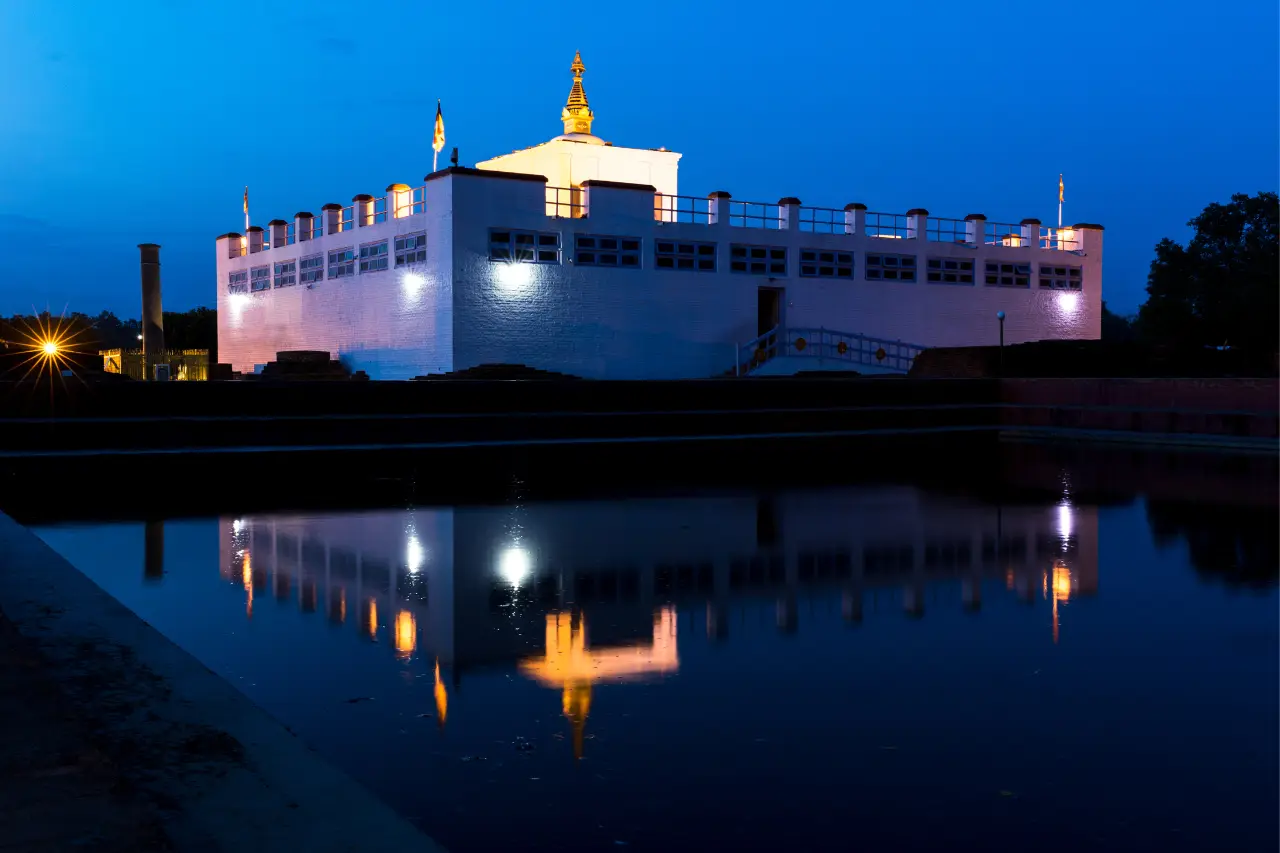
A: The circuit includes the Eight Great Holy Places: Bodh Gaya (Enlightenment), Sarnath (First Sermon), Kushinagar (Parinirvana), Rajgir (Vulture’s Peak), Sravasti (Jetavana Grove), Vaishali (Ordination of Nuns), Sankassa (Descent from Heaven), and Lumbini (Birthplace, located in Nepal).
Q: Why is specialized guidance important for Thai temple groups specifically?
A: Thai pilgrimage groups have unique devotional customs, specific chanting traditions, dietary preferences, and monastic expectations. A specialized guide familiar with Thai culture ensures that these traditions are honored seamlessly throughout the trip.
Q: What is the ideal season to undertake a Buddhist yatra in Northern India?
A: The optimal window for pilgrimage is between October and March, when weather conditions across Northern India (Bihar and Uttar Pradesh) are cool and comfortable for extended outdoor meditation, walking, and site visits.
| Plan Your Pilgrimage with Prime Value Tours If your temple, organization, or family group is preparing for a devotional Buddhist pilgrimage to India, partner with an operator that honors your faith. Prime Value Tours brings over two decades of dedicated experience guiding Thai Buddhist devotees through India’s holy sites with deep respect, logistical mastery, and cultural insight. Prime Value Tours Pvt. Ltd. |