Buddhist Circuit + Taj Mahal: Combining Pilgrimage with India’s Iconic Monument
Every yatra carries a question that the guidebooks rarely answer. After days of walking where the Buddha walked — after the silence beneath the Bodhi Tree, the chanting at Sarnath, the stillness of Kushinagar — is it right to stand before a marble tomb built for an emperor’s beloved? For many devotees, combining the Buddhist circuit with the Taj Mahal feels like two different journeys asking to share one road. Yet thousands of pilgrims make this choice each year, and return home saying the two did not compete. They completed one another. This guide is written for the devotee who wishes to honour the Dhamma fully, and who also wonders whether a day in Agra will deepen the yatra or dilute it.
Two Silences: What the Pilgrim Actually Encounters
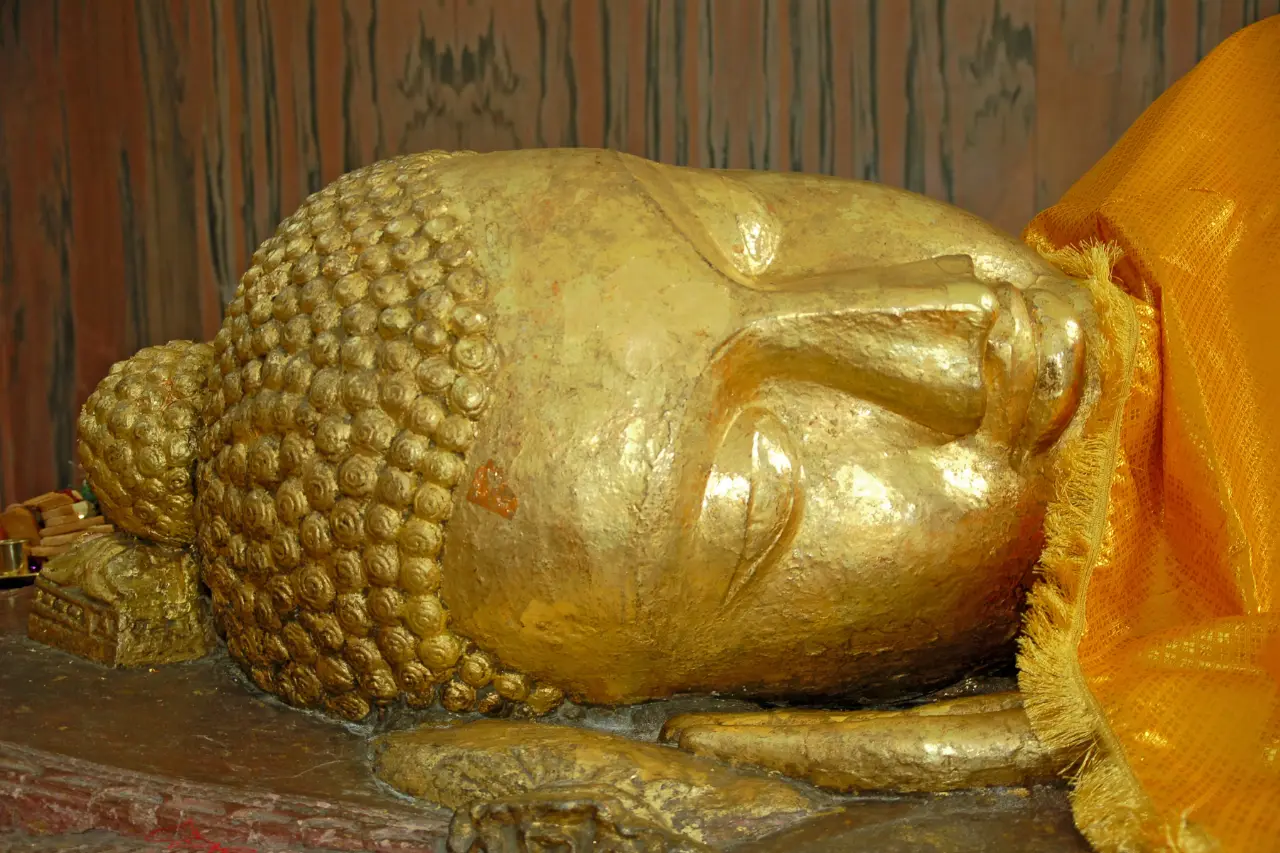
The Buddhist sites do not ask to be admired. They ask to be sat with. At Bodh Gaya the pilgrim lowers the body and the mind together; at Kushinagar one stands before the reclining Buddha and feels the weight of impermanence — anicca — settle quietly in the chest. These are not monuments. They are teachers.
The Taj Mahal asks something different. It asks to be seen. Built by Shah Jahan in grief for Mumtaz Mahal, it is love turned to stone and, in the same breath, the plainest sermon on impermanence India offers. The emperor died a prisoner within sight of it. The beloved it was raised for has been gone four centuries. Devotees who arrive at the Taj carrying the Dhamma in their hearts often report that the monument teaches exactly what Kushinagar taught — only in a language of marble rather than silence.
This is why many groups who book their Buddhist pilgrimage packages with Prime Value Tours choose to close their yatra in Agra rather than open with it. The lesson lands differently when the heart has already been prepared.
“Dawn light on the Taj Mahal — a monument to love, and to impermanence”
Where Agra Fits: The Practical Shape of the Journey
Geography makes this combination natural rather than forced. Most international pilgrims enter and exit India through Delhi. Agra sits roughly three hours from Delhi by expressway or ninety minutes by the Gatimaan Express train. The Buddhist circuit itself unfolds eastward across Uttar Pradesh, Bihar, and into Nepal. Agra therefore attaches cleanly to either end of the yatra without cutting into sacred days.
Two Common Sequences
- Closing in Agra (most recommended): Delhi → Varanasi → Sarnath → Bodh Gaya → Rajgir → Nalanda → Kushinagar → Lumbini → Agra → Delhi departure
- Opening in Agra: Delhi → Agra → Varanasi → Sarnath → Bodh Gaya → Kushinagar → Lumbini → Delhi departure
The first sequence lets Agra serve as a reflective coda — the pilgrimage complete, the mind open, the monument received as teaching rather than spectacle. The second suits groups whose flights or visa timings make an early Agra visit unavoidable.
A full site-by-site breakdown of the circuit itself is available in the Pilgrimage Guide (India & Nepal), which many of our yatris read before finalising their route.
What Every Yatri Should Know Before Adding Agra
- Add 2 days minimum. One travel day and one full day in Agra. Compressing it into a single day means arriving tired and leaving unmoved.
- The Taj Mahal is closed every Friday. Plan around this — it is the single most common scheduling error we correct for groups.
- Best season: October to March, matching the ideal Buddhist circuit season. Summer heat in Agra is severe for elderly pilgrims.
- Dress modestly. The same respectful covering worn at Buddhist sites serves well at the Taj, which sits within a working mosque complex.
- Sunrise entry rewards the patient. The queues are shorter, the light is gentler, and the crowds have not yet arrived.
“Buddhist pilgrims pause at the Taj Mahal at the close of their yatra”
When Not to Add the Taj Mahal
Honesty serves the devotee better than salesmanship. There are yatras that should not include Agra, and we say so plainly to the groups who write to us.
- Short pilgrimages of 7 days or fewer. The circuit already asks a great deal of those days. Adding Agra will thin the experience at every site.
- Formal monk-led pilgrimages. Where the yatra follows a strict devotional programme with daily chanting and Vinaya observance, a heritage detour may sit uneasily with the sangha’s intention.
- Groups with limited physical stamina. Agra involves considerable walking on hard marble after an already demanding circuit.
If any of these describe your group, let Agra wait for another journey. The Buddha’s sites will have given you what you came for. That is enough.
Walking With a Guide Who Understands Both
A driver can take you to Agra. A guide who knows the Dhamma can help you understand why you are standing there. The difference matters more than pilgrims expect — especially for Thai and international groups who wish to receive the monument in a Buddhist frame rather than a purely touristic one.
Prime Value Tours has walked this combined route with pilgrims for over 25 years from its base in Varanasi. The company is recognised by the Ministry of Tourism, Government of India and is a member of IATO — the Indian Association of Tour Operators. Its Thai-speaking, dhamma-literate guides accompany groups from the Bodhi Tree to the gates of the Taj.
You can read more about the team’s approach on the Why Choose Prime Value Tours page.
Frequently Asked Questions
Q: Is it appropriate for a Buddhist pilgrim to visit the Taj Mahal?
A: Yes. The Taj Mahal is a tomb, and tombs teach impermanence. Many devotees find it deepens rather than disturbs the yatra, particularly when visited at the journey’s end after the sacred sites have prepared the heart.
Q: How many extra days does adding the Taj Mahal require?
A: A minimum of two — one for travel and one full day in Agra. Groups combining Agra with a 13-day circuit find the pacing comfortable; those on a 7-day circuit usually find it too compressed.
Q: Should we visit Agra at the start or the end of the pilgrimage?
A: We recommend the end, so the monument is received as a final teaching on impermanence. Route sequencing depends on your flights, and our team can map this for you through the Plan Your Trip page.
Q: Is the Taj Mahal open every day?
A: No. It is closed every Friday for prayers. This is the most frequent scheduling mistake groups make, and it can quietly cost a full day of the itinerary if overlooked.
Q: Will our Thai-speaking guide accompany us to Agra as well?
A: Yes. The same guide travels with the group throughout, so the continuity of language and dhamma context is never broken between the Buddhist sites and Agra.
Q: Where can I find answers to other pilgrimage questions?
A: The Frequently Asked Questions page covers visas, vegetarian meals, monastery stays, dress code, and group booking — a useful companion to this guide.
Plan Your Yatra With Prime Value Tours
If your heart is drawn to both the Bodhi Tree and the white marble, you need not choose between them. The yatra can hold both, if it is shaped with care.
For over 25 years, Prime Value Tours has walked beside Buddhist pilgrims from Bodh Gaya to Lumbini — and, when the journey calls for it, onward to Agra. We would be honoured to plan yours.
Reach out to us — there is no obligation, only a conversation about what your journey could become.